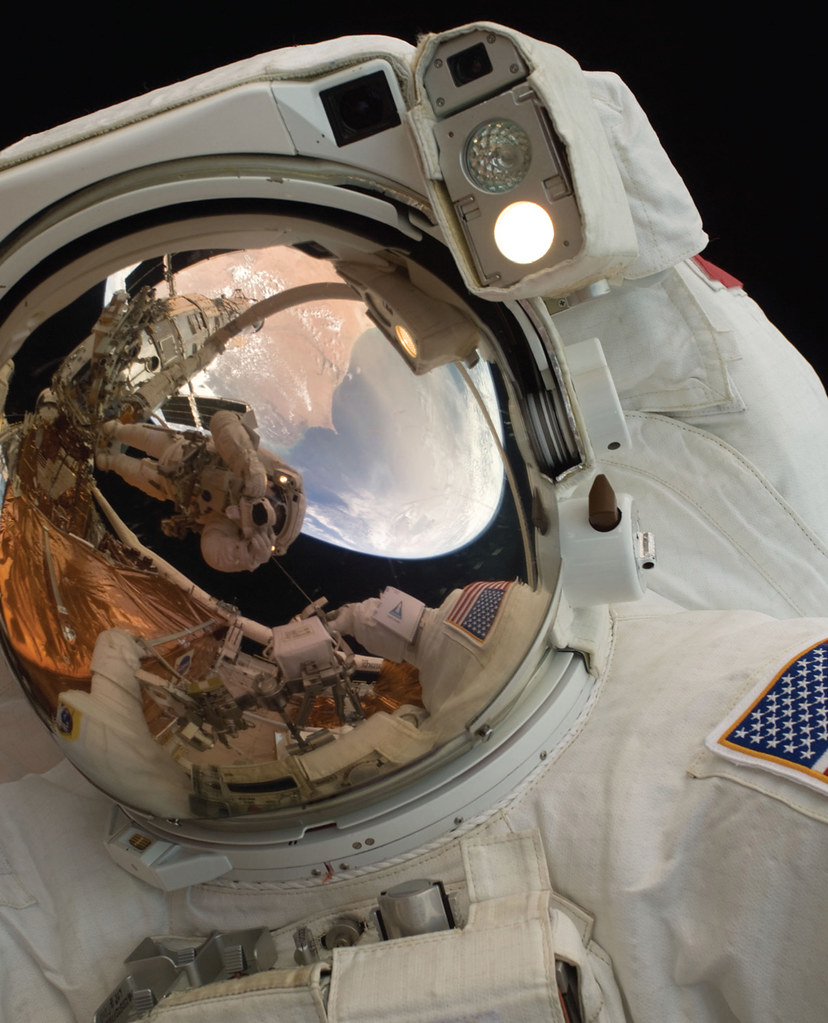








AI agents doing science is a fascinating glimpse into how technology is reshaping research methodologies. This exclusive insight reveals the profound impact these agents have on scientific discovery and innovation.
What Are AI Agents?
AI agents are sophisticated software programs designed to perform tasks that typically require human intelligence. These digital entities utilize machine learning algorithms, natural language processing, and data analysis to carry out complex operations. In the realm of research, AI agents are transforming the landscape by conducting experiments, analyzing vast amounts of data, and even formulating hypotheses.
Key features of AI agents include:
- Autonomy: They can operate independently, making decisions based on the data they process.
- Adaptability: AI agents can learn from new information and adjust their methods accordingly.
- Speed: They significantly reduce the time required to analyze and interpret research findings.
The emergence of AI agents doing science represents a paradigm shift in how research is conducted. Instead of merely assisting human researchers, these agents are becoming integral collaborators, enhancing the efficiency and scope of scientific inquiry.
The Role of AI in Scientific Research
AI agents are increasingly becoming integral to scientific research, transforming the way scientists approach problems and conduct experiments. These intelligent systems are designed to analyze vast amounts of data quickly and efficiently, enabling researchers to derive insights that may have taken much longer to uncover through traditional methods.
One of the significant advantages of AI agents doing science is their ability to identify patterns and correlations that human researchers might overlook. By utilizing machine learning algorithms, these agents can sift through complex datasets, highlighting potential areas of interest and suggesting new hypotheses.
Moreover, AI can automate repetitive tasks, allowing scientists to focus on more creative aspects of their work. This shift not only enhances productivity but also fosters innovation within various fields, from biology to physics.
As AI technology continues to advance, the collaboration between human researchers and AI agents will likely redefine the boundaries of scientific discovery, paving the way for groundbreaking advancements and a deeper understanding of the natural world.
AI Agents Doing Science: A New Era
The emergence of AI agents doing science marks a transformative moment in the research landscape. These advanced systems are not just tools; they are becoming collaborative partners in scientific exploration. By utilizing vast datasets and complex algorithms, AI agents can analyze information at a speed and accuracy that human researchers could only dream of achieving.
The potential for innovation is immense, as these agents can identify patterns and generate hypotheses, streamlining the research process. For example, in fields such as drug discovery and climate modeling, AI agents have already demonstrated their ability to predict outcomes and suggest new avenues for investigation.
However, this new era raises important questions about the role of human researchers. While AI agents can enhance productivity, they cannot replace the critical thinking and ethical considerations that humans bring to science. As we move forward, a balance must be struck between harnessing the power of AI and preserving the essential human elements of creativity and oversight in research.
Impact on Research Methodologies
The integration of AI agents into research methodologies is reshaping the landscape of scientific inquiry. These advanced systems are not merely tools; they actively participate in the research process, enhancing efficiency and creativity.
One significant impact of AI agents doing science is their ability to analyze vast datasets far more quickly than traditional methods. This capability allows researchers to uncover patterns and insights that would have otherwise gone unnoticed. Furthermore, AI agents can generate hypotheses based on existing data, streamlining the experimentation phase.
Another area of transformation is the collaborative nature of research. AI agents facilitate communication among interdisciplinary teams, breaking down silos that have historically hindered progress. This collaborative approach fosters innovation and accelerates the development of new scientific theories and applications.
However, the adoption of AI agents also raises questions about the integrity of research methodologies. As reliance on these systems increases, it becomes crucial to establish guidelines that ensure ethical practices and maintain the reliability of scientific findings.
Challenges Faced by AI in Science
The integration of AI agents doing science presents several challenges that researchers must navigate to harness their full potential. One significant hurdle is the data quality issue. AI systems rely heavily on vast amounts of data, and if the data is biased or incomplete, it can lead to skewed results. Additionally, the complexity of scientific concepts can pose a barrier; AI agents must be trained on nuanced scientific knowledge to make meaningful contributions.
Another challenge is the interpretability of AI findings. Researchers often struggle to understand how AI agents arrive at their conclusions, which can hinder trust in their outputs. Furthermore, there are ethical concerns regarding the autonomy of AI agents in decision-making processes, particularly in sensitive areas such as medical research.
Lastly, the rapid pace of technological advancement means that scientists must continually adapt to new tools and methodologies, which can be overwhelming. Despite these challenges, the potential for AI agents doing science to revolutionize research remains significant.
Future of AI in Scientific Discovery
The future of AI in scientific discovery appears promising, with AI agents doing science poised to revolutionize the way research is conducted. As these intelligent systems become more advanced, their ability to analyze vast datasets and generate hypotheses will enhance the pace of discovery across various fields.
One of the key benefits of integrating AI agents into research is their capability to identify patterns and correlations that may be overlooked by human researchers. This can lead to groundbreaking insights and foster interdisciplinary collaboration. Moreover, as AI technologies evolve, they will likely assist scientists in designing experiments, simulating outcomes, and even automating routine tasks.
However, the integration of AI in scientific discovery also raises questions about the ethical implications and the need for transparency in research findings. As more researchers rely on AI agents doing science, it will be crucial to ensure that these systems are developed responsibly, maintaining the integrity of the scientific process.
In conclusion, the future of AI in scientific discovery holds immense potential, but it requires careful consideration of both its capabilities and its limitations.
As AI agents doing science continue to advance, they are reshaping the landscape of research methodologies. The collaboration between human researchers and AI agents doing science is paving the way for groundbreaking discoveries.