









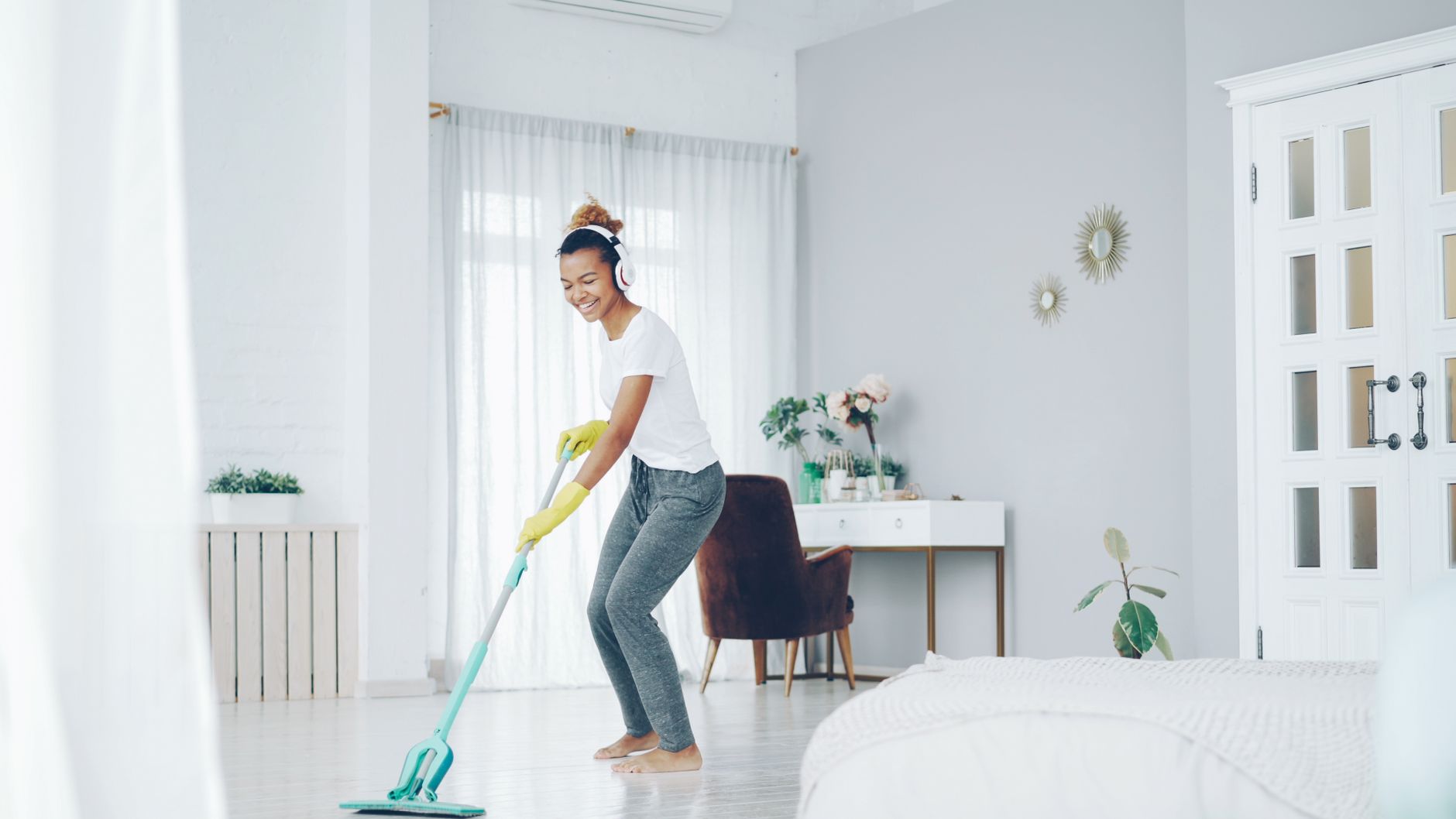
housework as exercise is often overlooked, but it can significantly impact your health and longevity. Engaging in daily chores not only keeps your home tidy but also contributes to physical fitness.
The Science Behind Housework and Fitness
Recent studies have highlighted the connection between housework as exercise and its potential benefits for longevity. Engaging in household chores not only promotes a cleaner living environment but also provides a moderate form of physical activity that can contribute to overall health.
Research indicates that activities such as vacuuming, mopping, and gardening can elevate heart rates and improve cardiovascular fitness. This is particularly significant for those who may not engage in traditional forms of exercise due to time constraints or physical limitations.
Moreover, performing housework regularly can lead to:
- Enhanced strength and flexibility as various tasks involve lifting, bending, and reaching.
- Increased calorie burn, contributing to weight management.
- Improved mental well-being through the satisfaction of completing chores.
Thus, incorporating housework into daily routines can serve as an accessible and beneficial way to stay active and promote longevity.
How Housework Contributes to Longevity
Engaging in housework as exercise provides numerous benefits that can contribute to longevity. Regularly performing household tasks not only helps maintain a clean living environment but also promotes physical activity, which is essential for overall health.
Research indicates that individuals who incorporate housework into their daily routines may experience:
- Increased cardiovascular fitness: Activities like vacuuming, mopping, and gardening elevate heart rates, providing a form of aerobic exercise.
- Improved muscle strength: Lifting, bending, and climbing during chores can enhance muscle tone and endurance.
- Better mental health: Completing tasks can lead to a sense of achievement and reduce stress, positively impacting emotional well-being.
- Lower risk of chronic diseases: Regular movement associated with housework may reduce the likelihood of conditions such as obesity, diabetes, and heart disease.
Thus, integrating housework into daily life is an effective way to boost physical activity and promote a longer, healthier life.
Easy Ways to Incorporate More Movement
Incorporating housework as exercise can be simple and enjoyable. Here are some easy ways to get moving while tackling your household chores:
- Vacuuming: Turn up your favorite music and dance while you vacuum. This can elevate your heart rate and improve your mood.
- Gardening: Digging, planting, and weeding not only beautifies your space but also engages various muscle groups.
- Window Cleaning: Use a step stool to reach higher windows, which adds an element of strength training to your routine.
- Cooking: Prepare meals from scratch. The chopping, stirring, and moving around the kitchen can provide a good workout.
- Decluttering: Organize and rearrange your living spaces, which can include lifting and moving items, promoting physical activity.
By viewing housework as exercise, you can enhance your fitness while maintaining a clean home.
Housework vs. Traditional Exercise: A Comparison
When comparing housework as exercise to traditional workouts, several factors come into play. Both activities can boost physical fitness, yet their impacts may differ.
Housework often involves a range of movements, such as:
- Vacuuming and sweeping
- Scrubbing floors and surfaces
- Carrying groceries or laundry
- Gardening and yard work
These tasks can elevate heart rates and improve strength, similar to traditional exercises like aerobics or weightlifting. However, housework may be more accessible and easier to fit into daily routines, making it a practical option for many.
While traditional exercise sessions often require dedicated time and space, housework integrates movement into everyday life, promoting consistency and making it an effective alternative. Ultimately, both forms of activity contribute positively to overall health and well-being.
Real Stories of Health Improvements
Many individuals have experienced significant health improvements by incorporating housework as exercise into their daily routines. Here are some inspiring stories:
- Mary, 68: After retiring, Mary started focusing on her home. She found that vacuuming and gardening not only kept her house tidy but also improved her strength and stamina. She reports feeling more energetic and has even lost 10 pounds since she began.
- Tom, 55: Tom used to spend hours at the gym, but now he opts for housework as exercise. Tasking himself with deep cleaning and organizing his home led to a noticeable reduction in his stress levels, and he feels healthier than ever.
- Linda, 74: Linda began engaging in more house chores after reading about their benefits. She discovered that activities like scrubbing floors and washing windows kept her active and contributed to her overall longevity.
The Psychological Benefits of Staying Active at Home
Engaging in housework as exercise not only helps maintain physical fitness but also offers significant psychological benefits. Many studies indicate that staying active at home can enhance mental well-being and reduce feelings of stress.
Some of the key psychological benefits include:
- Improved Mood: Regular movement during housework releases endorphins, which can lead to a more positive outlook on life.
- Increased Focus: Physical activity has been shown to boost cognitive function, helping individuals feel more alert and productive.
- Sense of Accomplishment: Completing housework tasks can foster a sense of achievement, which can improve overall self-esteem.
- Social Interaction: Involving family members in housework can strengthen bonds and create a supportive environment.
By recognizing housework as exercise, individuals can experience these psychological advantages while contributing to a healthier lifestyle.
Simple Tips for Making Chores More Enjoyable
Making housework more enjoyable can transform mundane chores into a fulfilling activity. Here are some simple tips to help you see housework as exercise:
- Listen to Music: Create a lively playlist that motivates you to move while you clean.
- Set a Timer: Challenge yourself to complete tasks within a set time, adding a bit of excitement to your routine.
- Involve Family Members: Turn chores into a fun group activity, fostering teamwork and making tasks feel less daunting.
- Mix It Up: Change your cleaning routine regularly to prevent boredom and keep things fresh.
- Use Proper Technique: Pay attention to your posture and movements, ensuring you’re engaging your muscles effectively.
By incorporating these tips, you can enjoy housework as exercise, reaping both physical and mental rewards while keeping your home tidy.
Housework as Exercise: Frequently Asked Questions
As interest grows in the concept of housework as exercise, many people have questions about its effectiveness and benefits. Here are some frequently asked questions:
- Can housework really count as exercise? Yes, activities like vacuuming, sweeping, and gardening can raise your heart rate and improve your physical fitness.
- How much housework do I need to do for it to be beneficial? Engaging in housework for at least 30 minutes a day can provide significant health benefits.
- Does housework help with weight management? Absolutely! Regularly doing chores can help burn calories and contribute to maintaining a healthy weight.
- Is housework beneficial for mental health? Yes, staying active through housework can boost mood and reduce stress levels.
With these insights, it’s clear that integrating housework as exercise into your routine can enhance both physical and mental well-being.
Photo by Vitaly Gariev on Pexels