









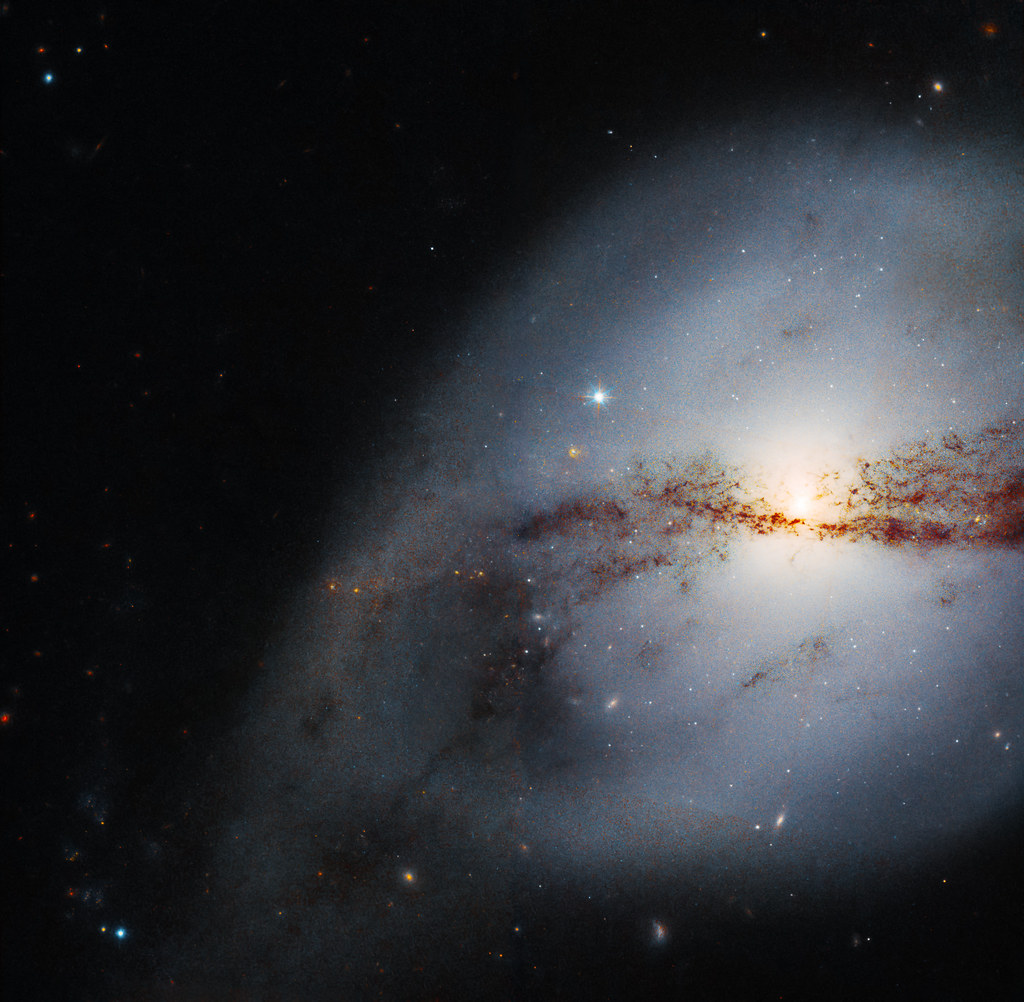
twist in the universe has become a topic of discussion among scientists, as researchers explore the implications of a possible twist in the universe’s oldest light.
Understanding the Universe’s Oldest Light
The universe’s oldest light, known as the cosmic microwave background (CMB), has long been a subject of fascination for scientists. Recent studies have introduced a potential twist in the universe, suggesting that this ancient light may not be as uniform as previously thought. This revelation could significantly alter our understanding of the cosmos.
Researchers have been analyzing the CMB for patterns that indicate a twist or distortion, which could provide insights into the early moments of the universe. Key findings include:
- Unexpected anomalies in the temperature fluctuations of the CMB.
- New theories that challenge existing models of cosmic inflation.
- Potential implications for the nature of dark matter and dark energy.
As scientists continue to unravel these mysteries, the implications of a twist in the universe’s oldest light could redefine our understanding of cosmic evolution.
What Does a Twist in the Universe Mean?
The notion of a twist in the universe raises intriguing questions about the nature of cosmic phenomena. This twist may refer to anomalies observed in the cosmic microwave background radiation, which is the remnant light from the Big Bang. Scientists have been investigating whether these anomalies signify fundamental shifts in our understanding of the universe’s structure.
Several key implications arise from this concept:
- Cosmological Models: A twist might challenge existing models of cosmic evolution and particle physics.
- Future Research: Investigating this phenomenon could lead to new discoveries in astrophysics.
- Philosophical Implications: Understanding such twists may alter our perception of reality and our place within the universe.
Ultimately, exploring a twist in the universe not only enhances scientific knowledge but also ignites curiosity about our cosmic origins.
Recent Discoveries in Cosmology
Recent discoveries in cosmology have shed light on the intriguing concept of a twist in the universe, specifically regarding the characteristics of ancient light. Scientists have been analyzing data from the Cosmic Microwave Background (CMB) to assess the potential for unusual patterns that could indicate a twist in the fabric of space-time.
Recent observations using advanced telescopes have revealed:
- Unexpected alignments in the polarization of CMB radiation.
- A possible correlation with large-scale cosmic structures.
- Implications for our understanding of fundamental physics and the nature of the universe.
These findings not only advance our knowledge of the universe’s oldest light but also open new avenues for research, prompting questions about the underlying mechanisms that could cause such a twist in the universe.
The Science Behind Cosmic Light
The study of cosmic light has always fascinated scientists, but recent findings suggest a significant twist in the universe may exist. This twist could reshape our understanding of cosmic structures and the laws governing them. Researchers are analyzing ancient light, specifically the Cosmic Microwave Background (CMB), which offers a glimpse into the universe’s early moments.
Through advanced techniques, scientists are able to measure minute fluctuations in the CMB, leading to astonishing revelations about the universe’s shape and evolution. Key discoveries include:
- Evidence of potential anomalies in the CMB
- The impact of dark energy on cosmic expansion
- How gravitational waves may influence the perception of cosmic light
As researchers delve deeper into this ancient light, the implications of a twist in the universe could redefine our cosmic narrative.
Implications of Twisted Light on Astronomy
The recent findings regarding a twist in the universe have significant implications for the field of astronomy. Understanding how this phenomenon affects the oldest light in the cosmos can reshape our comprehension of the universe’s formation and evolution. Researchers are particularly interested in the following aspects:
- Cosmic Microwave Background (CMB): The twist may provide new insights into the CMB, potentially revealing hidden structures and anomalies.
- Dark Matter and Energy: A better grasp of twisted light could refine our theories regarding dark matter and dark energy, influencing the trajectory of future research.
- Galaxy Formation: This twist might shed light on how galaxies formed and evolved, offering a dynamic view of cosmic history.
As scientists delve deeper into these implications, the mystery surrounding the universe’s oldest light continues to unravel, promising a more comprehensive understanding of our cosmos.
By NASA Hubble via Openverse
Read the original
You might also like
New enzyme system discovery: Proven AI model breakthrough · Letterboxd sequel news: Exciting plans under new ownership · Is the Khloé Kardashian collection the Best Fashion Launch Ever?