







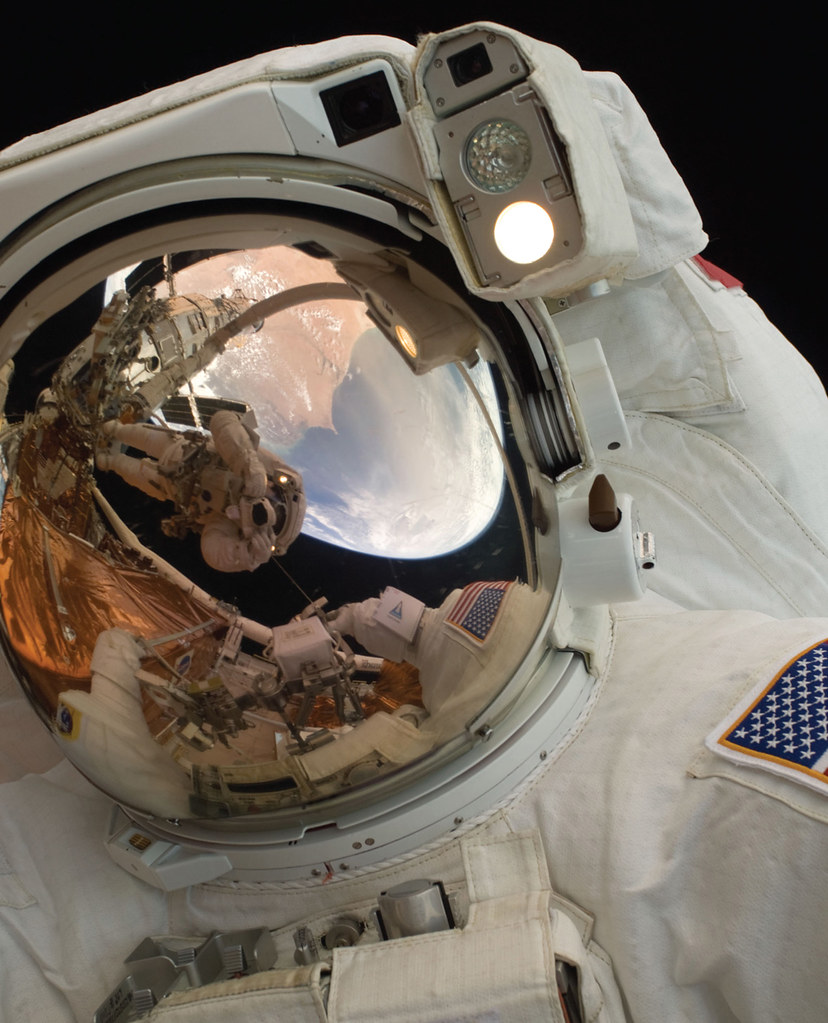
Astronaut transportation news highlights Boeing’s exclusive position in the nation’s space exploration efforts. The company expresses its excitement about this unique opportunity.
Boeing’s Role in Space Travel
Boeing has announced that it is “incredibly excited” to serve as the nation’s only astronaut transportation provider, marking a significant milestone in the future of space travel. This commitment comes as part of NASA’s Commercial Crew Program, which aims to ensure safe and reliable access to the International Space Station (ISS).
The company is set to leverage its extensive aerospace expertise to develop and operate the CST-100 Starliner spacecraft. With advanced technology and rigorous testing protocols, Boeing is focused on delivering a safe experience for astronauts traveling to and from the ISS.
In recent updates, Boeing has shared that preparations for its upcoming test flights are progressing well. This includes the critical uncrewed flight test, which will validate the Starliner’s systems and capabilities. Successful completion of this mission will be a key step toward the spacecraft’s first crewed flight.
Furthermore, Boeing’s partnership with NASA highlights the increasing importance of private companies in the realm of astronaut transportation. As the industry evolves, Boeing aims to play a pivotal role in shaping the future of space exploration and travel.
What This Means for NASA
The recent developments in astronaut transportation news highlight the significant implications for NASA and its future missions. With Boeing stepping up as a key player in transporting astronauts to the International Space Station (ISS), the agency can rely on a trusted partner to support its ambitious plans.
NASA has long sought to enhance its capabilities in human spaceflight, and Boeing’s involvement aligns perfectly with this objective. By utilizing Boeing’s CST-100 Starliner, NASA aims to ensure a consistent and reliable means of sending astronauts to and from the ISS. This partnership not only facilitates regular missions but also strengthens the United States’ position in global space exploration.
Furthermore, the collaboration is expected to pave the way for new opportunities in commercial spaceflight. As Boeing continues to refine its transportation systems, it opens doors for future exploration missions to destinations beyond low Earth orbit. This evolution in astronaut transportation could also lead to advancements in technology and safety protocols, ensuring that human space travel remains at the forefront of scientific achievement.
In conclusion, the progress in astronaut transportation news signifies a promising era for NASA, fostering innovation and collaboration in the pursuit of space exploration.
Future Astronaut Missions
The future of astronaut transportation is shaping up to be an exciting journey as Boeing prepares to play a pivotal role in upcoming missions. With advancements in technology and a commitment to safety, Boeing’s spacecraft are set to offer reliable transportation for astronauts heading to the International Space Station (ISS) and beyond.
Key elements that define the future of astronaut missions include:
- Increased Launch Frequency: Boeing plans to enhance launch schedules, making it possible for astronauts to travel to the ISS more regularly.
- Innovative Spacecraft Design: The CST-100 Starliner aims to provide a spacious and comfortable environment for astronauts, focusing on their needs during missions.
- Collaborative Efforts: Ongoing partnerships with NASA and other space organizations are crucial for ensuring the success of future missions.
- Emphasis on Safety: Boeing is dedicated to implementing cutting-edge safety measures to protect astronauts throughout their journeys.
As Boeing continues to develop its astronaut transportation capabilities, the excitement surrounding future space missions grows, promising new opportunities for exploration and discovery.
Technological Innovations in Spacecraft
In recent developments, Boeing has announced several technological innovations that are set to enhance astronaut transportation. These advancements aim to improve safety, efficiency, and overall mission success rates. The integration of cutting-edge systems is crucial for the future of space travel.
One of the key innovations includes the introduction of advanced avionics systems. This new technology will provide real-time data analytics, enabling astronauts to make informed decisions during their missions. Additionally, Boeing is focusing on enhancing the spacecraft’s docking and landing systems, ensuring a smoother return to Earth.
Furthermore, the incorporation of artificial intelligence in mission planning will facilitate better resource management and crew support. This will not only streamline operations but also reduce the workload for astronauts during critical phases of their journeys.
As Boeing continues to refine its spacecraft capabilities, the company remains committed to its role in astronaut transportation. These innovations are expected to play a vital role in upcoming missions, underscoring the importance of collaboration between industry leaders and space agencies.
With these advancements, Boeing is paving the way for future astronaut missions and reaffirming its status as a leader in the aerospace industry.
Boeing’s Commitment to Safety
Boeing has reiterated its unwavering commitment to safety as it continues to play a pivotal role in astronaut transportation. The company understands that the success of human spaceflight relies not only on technological advancements but also on the rigorous safety protocols that protect astronauts throughout their missions.
As part of its dedication to this cause, Boeing has implemented a series of comprehensive measures designed to enhance safety during all phases of astronaut transportation. These measures include:
- Stringent testing protocols: Every spacecraft undergoes extensive testing to ensure it meets the highest safety standards.
- Employee training programs: Boeing prioritizes rigorous training for its workforce, focusing on safety practices and emergency response.
- Collaboration with NASA: Ongoing partnerships with NASA help to refine safety measures and protocols based on real-world experiences.
- Investment in technology: Boeing is continuously innovating to integrate advanced safety technologies into its spacecraft.
As Boeing strives to maintain its status as the nation’s only astronaut transportation provider, its commitment to safety remains a top priority, ensuring that astronauts can confidently embark on their missions.
Public Response to Astronaut Transportation
The public response to astronaut transportation news has been overwhelmingly positive, reflecting a growing enthusiasm for the future of space exploration. Many individuals express excitement about Boeing’s pivotal role in this venture, viewing it as a significant step towards making space travel more accessible.
Social media platforms have been abuzz with discussions around Boeing’s innovations and the safety measures being implemented. Some key reactions include:
- Increased Interest: Many young people are expressing interest in pursuing careers in aerospace engineering and space sciences, inspired by Boeing’s advancements.
- Community Engagement: Local events and educational programs are being organized to inform the public about astronaut transportation and its implications for society.
- Support for NASA: Many citizens are voicing support for NASA and its partnerships with companies like Boeing, recognizing the importance of collaboration in achieving space exploration goals.
As Boeing continues to develop its astronaut transportation capabilities, the excitement around these advancements is palpable. People are eager to witness the next chapter of human space travel and the role that Boeing will play in it.
Upcoming Launch Dates
As the excitement surrounding astronaut transportation news grows, Boeing has announced several upcoming launch dates that will mark significant milestones in their partnership with NASA. These launches are crucial not only for the agency’s goals but also for the future of human space exploration.
- December 15, 2023: The first crewed flight of Boeing’s CST-100 Starliner is set to take place, carrying a group of astronauts to the International Space Station (ISS) for a 10-day mission.
- March 2024: A follow-up mission is planned, aimed at expanding the ISS’s capabilities with additional experiments and technology demonstrations.
- August 2024: Boeing will conduct another launch with a new crew, featuring astronauts from NASA and international partners, showcasing the international collaboration in space travel.
The upcoming launch dates highlight Boeing’s pivotal role in astronaut transportation, as the company prepares to deliver safe and reliable access to low Earth orbit. Each mission represents a step forward in human spaceflight, with the potential to inspire future generations of explorers.
Recent astronaut transportation news highlights Boeing’s innovative plans to enhance crew safety and efficiency. As the space industry evolves, these developments in astronaut transportation news promise to reshape how we think about space travel.
By NASA Goddard Photo and Video via Openverse