


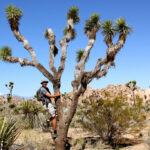




The 43,600 year old tree is a remarkable natural wonder that stands 8 metres high. This ancient giant not only impresses with its height but also continues to grow, captivating scientists and nature enthusiasts alike.
The Discovery of the Ancient Tree
The recent discovery of a 43,600 year old tree has captivated scientists and nature enthusiasts alike. Found in a remote region, this ancient giant stands at an impressive height of 8 metres, surpassing the height of a two-storey building.
Researchers were astonished to learn that this remarkable tree is not only ancient but is also still growing. The conditions in its environment, including soil composition and climate stability, have allowed it to thrive despite its age. This discovery raises intriguing questions about the longevity and resilience of trees.
Scientists have embarked on a mission to study this tree in detail. Some key aspects of their research include:
- Understanding the genetic makeup that contributes to its extraordinary lifespan.
- Investigating the environmental factors that enable its continued growth.
- Exploring the ecological implications of such ancient trees in our ecosystems.
This ancient tree not only provides insight into the past but also highlights the need for conservation efforts to protect such unique natural wonders for future generations.
Unique Features of the 43,600 Year Old Tree
The 43,600 year old tree has captivated scientists and nature enthusiasts alike with its remarkable characteristics. This ancient specimen not only boasts extraordinary age, but also showcases unique features that set it apart from other trees.
- Height and Size: Standing at an impressive 8 metres, the tree exceeds the height of a typical two-storey building, making it a striking presence in its natural habitat.
- Longevity: At 43,600 years old, this tree has withstood the test of time, surviving climatic changes and environmental shifts that have occurred over millennia.
- Growth Rate: Unlike many trees that slow their growth as they age, this ancient specimen continues to show signs of growth, defying expectations and raising questions about its biological processes.
- Ecological Importance: The tree plays a crucial role in its ecosystem, providing habitat for various species and contributing to the biodiversity of the area.
These features not only highlight the resilience of the 43,600 year old tree but also emphasize the importance of preserving such ancient natural wonders for future generations.
Why This Tree is Still Growing
The remarkable longevity of the 43,600 year old tree can be attributed to several unique factors that contribute to its continued growth. Scientists have been fascinated by its resilience and ability to thrive despite the harsh conditions it has endured over millennia.
One of the primary reasons this ancient tree is still growing is its adaptive growth strategy. The tree has developed a highly efficient root system that allows it to absorb nutrients and water from the soil, even in periods of drought. This adaptability ensures that it can sustain itself through changing environmental conditions.
Additionally, the tree benefits from its location in a relatively stable climate, which minimizes stress from extreme weather events. Its age has also allowed it to establish a symbiotic relationship with various microorganisms in the soil, enhancing its nutrient uptake and overall health.
Furthermore, the genetic makeup of the 43,600 year old tree plays a crucial role in its longevity. The tree possesses unique traits that enable it to resist diseases and pests, ensuring its survival through the ages. These factors combined make this ancient organism a living testament to the wonders of nature and the mysteries of longevity.
Implications for Climate Studies
The discovery of the 43,600 year old tree brings significant implications for climate studies, offering a unique perspective on environmental changes over millennia. As researchers delve into the tree’s growth patterns, they are gaining insights into historical climate conditions and how they have influenced biodiversity.
One of the most notable aspects of this ancient tree is its ability to adapt and thrive despite drastic shifts in climate. This resilience can provide clues on how current ecosystems may respond to ongoing climate change, especially as temperatures rise and weather patterns become more unpredictable.
Furthermore, studying the tree’s growth rings allows scientists to reconstruct past climate scenarios, revealing information about temperature, precipitation, and atmospheric conditions over thousands of years. These findings can help improve climate models and enhance our understanding of future ecological shifts.
In addition, the tree serves as a living laboratory for examining carbon sequestration, showcasing how ancient flora can contribute to modern climate mitigation efforts. As researchers continue to explore the implications of the 43,600 year old tree, its significance in the field of climate science will undoubtedly grow.
The Importance of Ancient Trees in Ecosystems
Ancient trees play a crucial role in maintaining the health of ecosystems. The discovery of the 43,600 year old tree highlights their importance in biodiversity, carbon storage, and soil preservation. These trees serve as vital habitats for various species, offering shelter and food sources that support complex food webs.
Moreover, ancient trees contribute significantly to carbon sequestration. By absorbing carbon dioxide from the atmosphere, they help mitigate climate change effects. This unique 43,600 year old tree, for instance, continues to sequester carbon even after millennia, showcasing the long-term benefits of preserving such organisms.
In addition to carbon storage, ancient trees enhance soil health. Their extensive root systems prevent erosion, promote nutrient cycling, and provide stability to the soil structure. This process is essential in preventing land degradation and promoting agricultural productivity.
Furthermore, these venerable trees serve as living records of environmental change, offering insights into historical climate patterns. By studying their growth rings, scientists can better understand past climates and predict future changes. Thus, protecting ancient trees like the 43,600 year old tree is vital for sustaining healthy ecosystems and informing climate resilience strategies.